
What changes when a syndication campaign targets US government and public-sector buyers
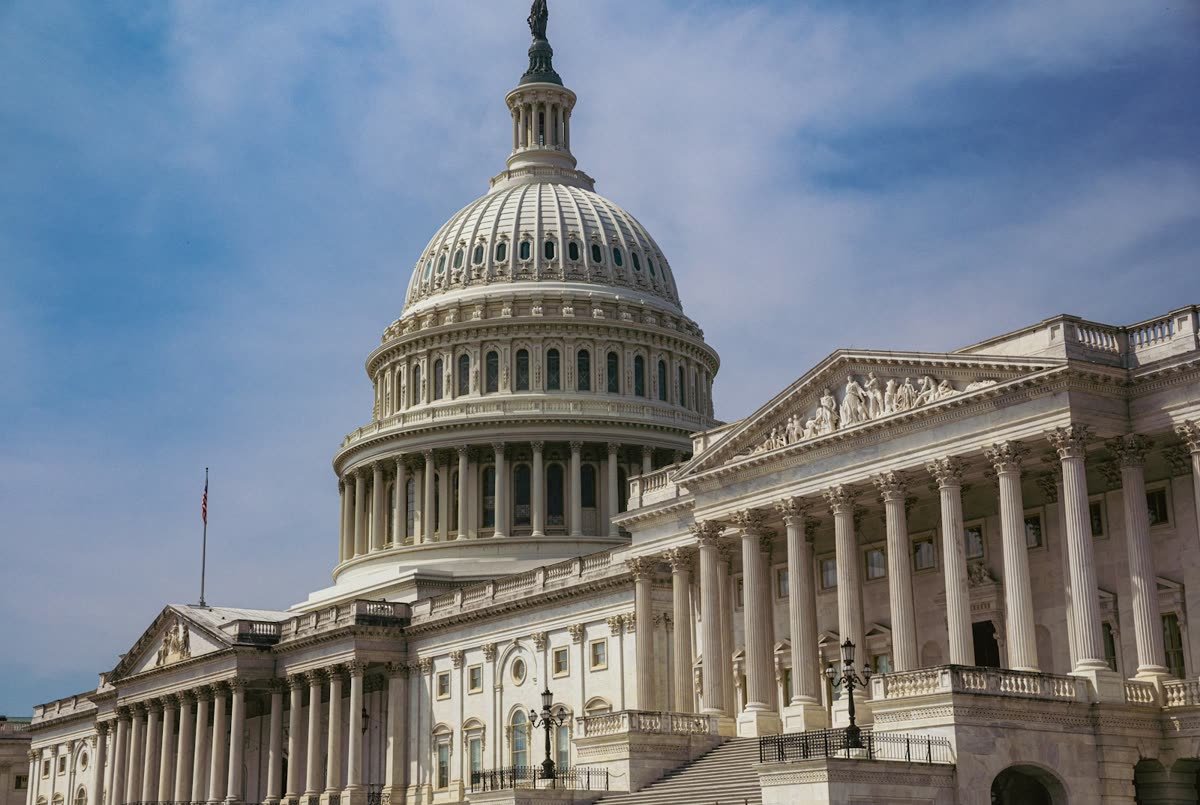
Running content syndication against government and public-sector buyers is not the same commercial playbook aimed at a different kind of logo. The audience reads differently, buys on a different calendar, and expects a different kind of asset entirely -- treating it as a vertical filter on an existing campaign is why so many GovCon vendors get thin results from syndication spend that performs perfectly well against commercial accounts.
Fiscal year timing is the first real difference, and it's a sharper lever than the generic seasonality most syndication planning accounts for. The federal fiscal year closes September 30, and the final weeks before that close are when agencies with unspent budget move fastest -- a syndication flight timed to land in front of a program office in that window behaves completely differently than the same asset run in November. Most state fiscal years close in June, adding a second, separate timing window worth planning around if state and local buyers are part of the target list. A syndication calendar built around calendar-year quarters, the default for commercial campaigns, is misaligned with both of these by design.
The asset itself usually needs to change too. A whitepaper or ROI calculator built for a commercial buyer doesn't map cleanly onto how a government evaluator actually works -- capability statements and RFI-ready one-pagers that speak directly to procurement requirements and past-performance criteria convert better in this audience than the narrative-driven content formats that perform well commercially. This isn't a tone edit on existing content; it's a different asset built around a different evaluation process.
The publisher landscape is narrower and more specialized too. General B2B syndication networks carry some public-sector reach, but the audiences that actually influence procurement decisions -- program offices, GovCon-focused trade publications, agency-specific communities -- are concentrated in a smaller set of specialized networks most commercial syndication vendors don't have real relationships with. Vetting a network for this audience means checking GovCon-specific reach explicitly, not assuming a large general B2B network covers it by scale alone.
None of the core syndication discipline changes -- audience fit still matters more than raw reach, and a lead is still only as good as what happens after the click. What changes is the calendar it runs on, the asset it promotes, and the networks it runs through. We build these as genuinely separate campaign plans from commercial syndication, not a targeting tweak on the same one, because treating them the same is exactly what leaves public-sector budget-flush windows unclaimed.
Want help putting this into practice?
Our team runs these exact strategies for B2B clients every day, at a 94% success rate.
Talk to our team